If you are new to Indonesia, you may notice that certain holidays feel deeply connected to daily life. Shops may close earlier, families gather, mosques become more active, and neighborhoods suddenly feel more communal. One of those important moments is Idul Adha, also known in English as Eid al-Adha.
For Muslims around the world, Eid al-Adha is one of the two major Islamic festivals. It marks the completion period of the Hajj pilgrimage and commemorates Prophet Ibrahim’s willingness to obey God through sacrifice.
In Indonesia, Idul Adha is more than a religious holiday. It is a moment of faith, generosity, community, and togetherness. From Jakarta to Bali, from small villages to large residential compounds, the spirit of Idul Adha can be felt through prayer, sharing, and neighborhood participation.
For expats living in Indonesia, understanding Idul Adha can help you better appreciate how religion, culture, and social values are woven into everyday Indonesian life.
What Is Idul Adha?
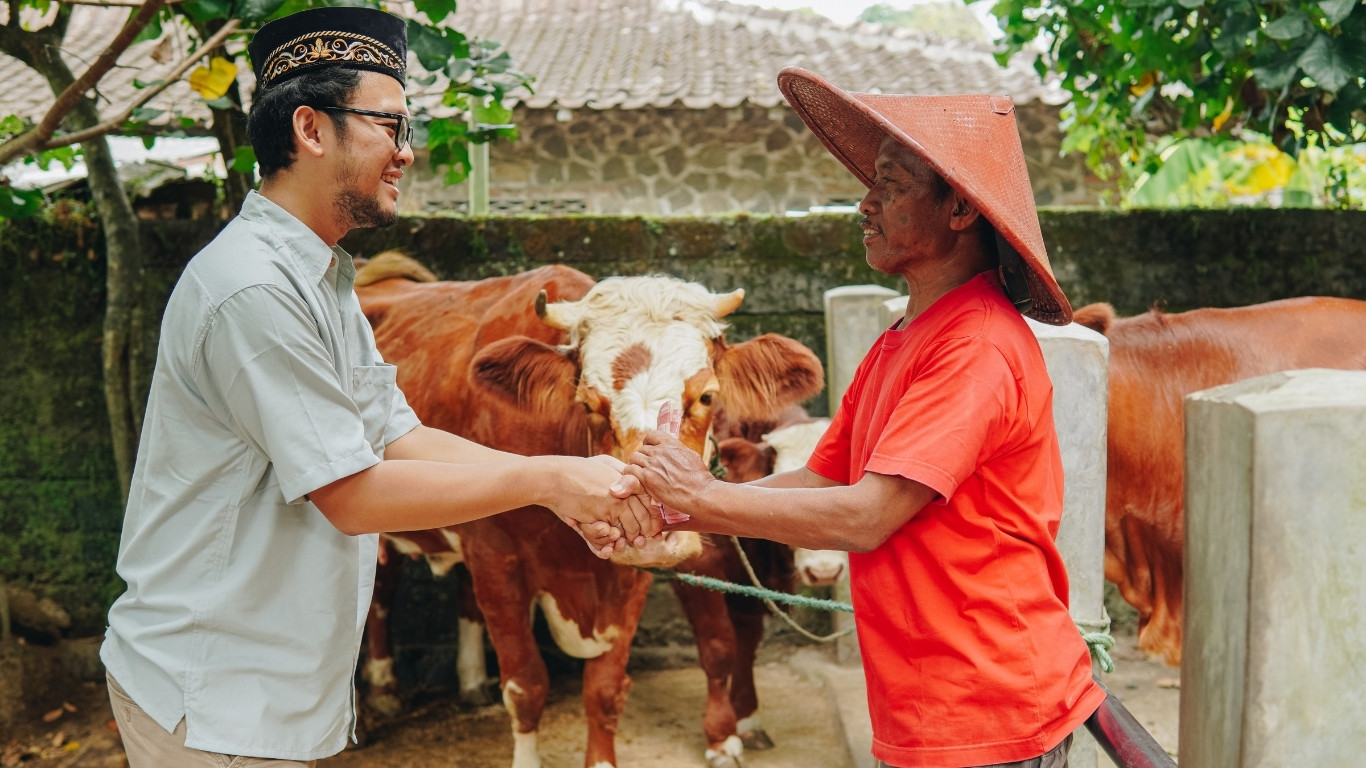
Idul Adha is often called the Festival of Sacrifice. In Islamic tradition, it remembers the story of Prophet Ibrahim and his devotion to God. The meaning behind the holiday is not simply about sacrifice in a physical sense, but about sincerity, obedience, humility, and trust.
It also takes place during the time of Hajj, the annual pilgrimage to Mecca. Muslims who are financially and physically able are expected to perform Hajj at least once in their lifetime. For those who are not performing Hajj, Idul Adha is observed through prayer, reflection, and the act of qurban.
The Festival of Sacrifice
In Indonesia, Idul Adha is called by several names. Many people say Idul Adha, while others may also call it Hari Raya Kurban. The word “kurban” or “qurban” is commonly associated with the act of offering and sharing sacrificial meat.
In 2026, the Indonesian government set Idul Adha 1447 H to fall on Wednesday, 27 May 2026, based on the official determination of 1 Zulhijjah 1447 H.
The Connection Between Idul Adha and Hajj
Idul Adha and Hajj are deeply intertwined. While millions of pilgrims travel to Mecca to complete the fifth pillar of Islam, Muslims around the world including the entire Indonesian archipelago mark the occasion through communal prayer and the act of qurban. The date of Idul Adha falls on the 10th of Zulhijjah, the final month of the Islamic lunar calendar, coinciding with the peak of the Hajj pilgrimage.
Why Idul Adha Is Important in Indonesia
Indonesia has one of the largest Muslim populations in the world, so Islamic holidays are widely observed across the country. However, what makes Idul Adha especially meaningful is the way it brings together spiritual devotion and social care.
Faith, Sacrifice, and Sincerity
For many Indonesian families, Idul Adha is a time to reflect on what it means to give something valuable. This can be seen through qurban, where families or communities prepare goats, sheep, cows, or other permitted livestock for sacrifice according to Islamic guidance.
But the deeper meaning is not only in the ritual itself. It is about learning sincerity, reducing selfishness, and remembering people who may not have the same access to food or comfort. Local religious leaders in Indonesia often emphasize that Idul Adha is also about patience, sincerity, and willingness to sacrifice for the common good.
A Moment of Gratitude and Reflection
This is why the holiday feels so communal. The celebration is not centered only on the individual family. It extends outward to neighbors, communities, mosques, and people in need making it one of the most socially significant dates in the Indonesian calendar.
What Does “Qurban” Mean?
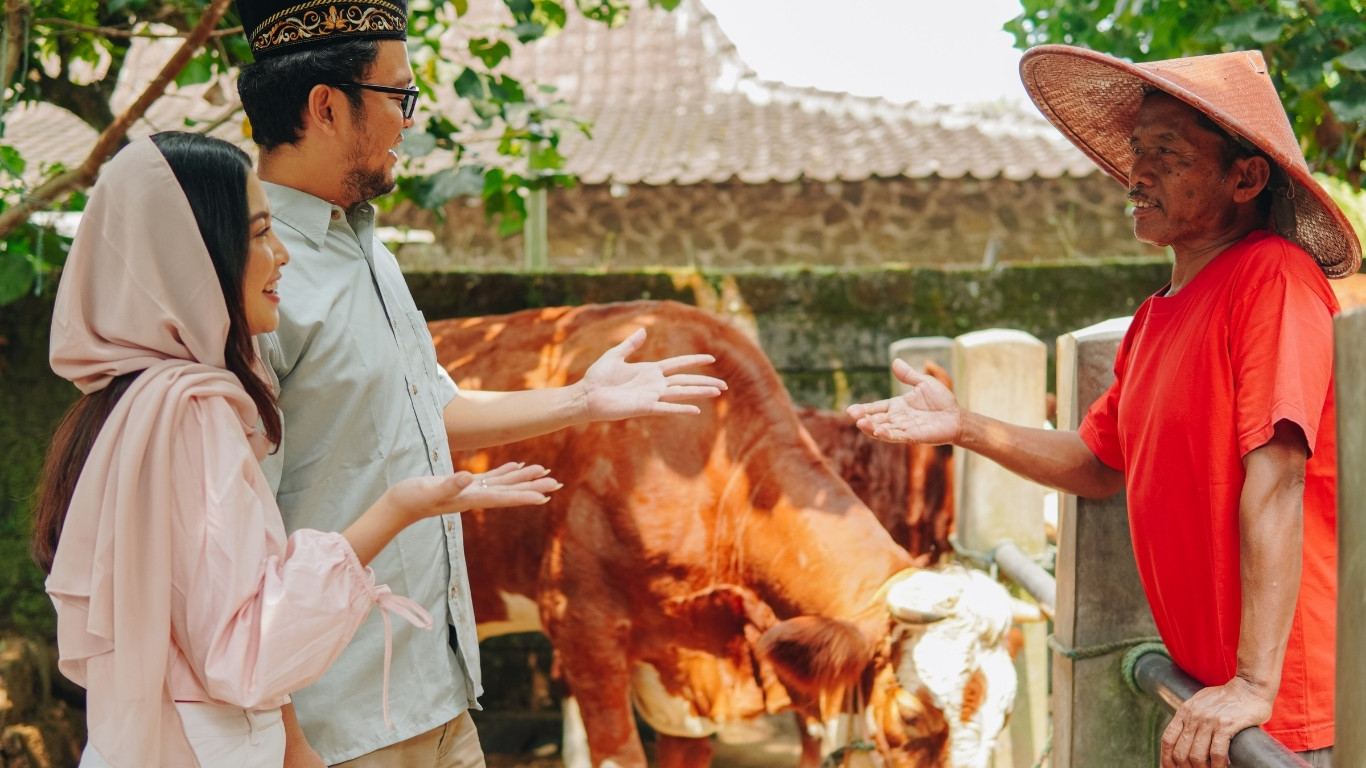
For many expats, qurban may be the most visible part of Idul Adha in Indonesia. You may see animals prepared in certain mosque areas or neighborhood spaces before the holiday. After the prayer, qurban meat is distributed to families, neighbors, and people who are eligible to receive it.
At first glance, this may feel unfamiliar if you come from a country where animal sacrifice is not part of public religious practice. But in Indonesia, qurban is generally understood as a structured religious and social act.
The purpose is not excess or display. The purpose is sharing.
More Than Animal Sacrifice
For many communities, qurban becomes a way to make sure more people can enjoy meat during the holiday, especially those who may not buy it regularly. It is also a reminder that celebration should include others, not only one’s own household.
This is one reason Idul Adha has such a strong social meaning in Indonesia. It turns a religious act into a form of community care.
Sharing Meat With Family, Neighbors, and Those in Need
The distribution of qurban meat is organized carefully. Recipients are typically divided into three groups: the family of the person performing qurban, neighbors and friends, and people in need or those less fortunate. This structure ensures the act of giving reaches as widely as possible, reinforcing Indonesia’s deeply held value of collective wellbeing.
Why Indonesians Celebrate Idul Adha Together
One of the most beautiful parts of Idul Adha in Indonesia is how collective it feels. Even in large cities like Jakarta, the celebration often happens at neighborhood level.
Community Prayer
The morning usually begins with Salat Idul Adha, a special prayer held at mosques, open fields, or community spaces. In many neighborhoods, people arrive early in modest and neat clothing, often with family members.
For non-Muslim expats, it is common to simply observe respectfully from a distance if you happen to pass by. You may notice a quieter morning atmosphere, temporary traffic adjustments, or larger crowds near mosques.
Gotong Royong and Neighborhood Participation
The Indonesian idea of gotong royong, or mutual cooperation, is strongly reflected during Idul Adha. Community members may help with organizing the prayer area, preparing logistics, distributing meat, cleaning the space, and supporting mosque committees. It is not unusual for residents, volunteers, local leaders, and young people to work together.
This spirit of helping each other is one of the reasons Idul Adha feels so connected to Indonesian social life.
Sharing as a Social Value
In many Indonesian communities, sharing food is one of the clearest expressions of care. During Idul Adha, this value becomes even more visible. The distribution of qurban meat allows the celebration to reach people beyond the immediate family. It creates a sense of inclusion and reminds people that a religious holiday should also carry social responsibility.
What Expats May Notice During Idul Adha in Indonesia
If this is your first Idul Adha in Indonesia, there are a few things you may notice.
Morning Prayers and Mosque Activities
The day usually begins early. Mosques may be active from the morning, and some roads near prayer locations may be busier or temporarily adjusted. Some businesses may close or operate on shorter hours, especially in Muslim-majority areas. Malls and restaurants in Jakarta may still open, but operating hours can vary depending on the location.
Temporary Road Closures or Neighborhood Gatherings
Residential neighborhoods may feel more active. In landed housing areas, compounds, and local neighborhoods, community activities may happen near mosques or shared spaces. If you live near a mosque or open field used for prayer, expect some early morning activity and plan travel routes accordingly.
Different Atmosphere in Jakarta, Bali, and Other Cities
The experience may differ by city. In Jakarta, Idul Adha can feel both urban and neighborhood-based. In Bali, where the majority population is Hindu, Muslim communities still observe the holiday, but the public atmosphere may feel different compared to Jakarta or other Muslim-majority cities.
For expats, the best approach is simple: be aware, respectful, and open to learning.
Idul Adha in Jakarta: What to Expect
In Jakarta, Idul Adha is observed across many areas, including South Jakarta, Central Jakarta, East Jakarta, West Jakarta, and North Jakarta. Areas such as Kemang, Cipete, Pondok Indah, Kebayoran Baru, Sudirman, SCBD, Thamrin, and Kuningan may still feel active, especially because many expats live near business districts, apartments, and international communities.
Celebrations in Residential Neighborhoods
If you live in an apartment, the celebration may feel less visible, though you may still notice holiday greetings, adjusted staff schedules, or changes in traffic. If you live in a landed house or residential neighborhood, you may see more community activity around local mosques.
How Expats Can Show Respect
Here are a few simple ways to be respectful during Idul Adha:
- Be mindful around mosque areas during prayer time.
- Avoid blocking access roads near community prayer locations.
- Understand that some staff, drivers, helpers, or building teams may request time off.
- Greet Muslim friends, colleagues, or neighbors with “Selamat Idul Adha.”
- Ask politely if you are unsure about local customs.
In Indonesia, small gestures of respect are often appreciated.
Why Idul Adha Reflects Indonesian Togetherness
The true meaning of Idul Adha in Indonesia is not only found in religious explanations. It is also seen in how people participate.
Families prepare. Neighbors gather. Volunteers help. Communities distribute. People greet one another. Those who have more are encouraged to share with those who have less.
This is why Indonesians celebrate Idul Adha together.
It reflects several values that are deeply rooted in Indonesian society: faith, humility, gratitude, mutual care, and community responsibility. Even for people who do not personally celebrate the holiday, Idul Adha offers a meaningful window into how Indonesian communities stay connected.
For expats, understanding this holiday can make life in Indonesia feel less confusing and more human. It helps you see that many local traditions are not just ceremonies. They are ways people build connection, express care, and support one another.
Moving to Indonesia? Understanding Culture Helps You Settle Better
Relocating to Indonesia is not only about finding a house, apartment, school, or office route. It is also about understanding the rhythm of local life.
Public holidays, religious traditions, neighborhood customs, and community values all shape the experience of living here. The more you understand these moments, the easier it becomes to feel settled and connected.
At NOBLE ASIA, we help expats and families adjust to life in Indonesia with relocation support, home search, settling-in assistance, and practical local guidance. Whether you are moving to Jakarta, Bali, or another part of Indonesia, our team helps you understand not only where to live, but how to live well.
From understanding local traditions like Idul Adha to finding the right home near your office, school, or community, NOBLE ASIA helps make relocation to Indonesia smoother and more personal.
FAQ: Idul Adha in Indonesia
What is Idul Adha in Indonesia?
Idul Adha is an important Islamic holiday that commemorates Prophet Ibrahim’s devotion and willingness to sacrifice in obedience to God. In Indonesia, it is observed through prayer, qurban, family gatherings, and community sharing.
Why is Idul Adha called the Festival of Sacrifice?
It is called the Festival of Sacrifice because it remembers the story of Prophet Ibrahim and the value of sincere sacrifice. The holiday also includes qurban, where sacrificial meat is shared with others.
What does qurban mean?
Qurban refers to the religious act of sacrifice during Idul Adha. In Indonesia, the meat is usually distributed to family, neighbors, and people in need.
Why do Indonesians distribute meat during Idul Adha?
The distribution of qurban meat reflects the value of sharing. It allows more people, especially those with limited access, to enjoy meat during the holiday.
Is Idul Adha a public holiday in Indonesia?
Yes. Idul Adha is a national public holiday in Indonesia. For 2026, Idul Adha falls on Wednesday, 27 May 2026.
What should expats expect during Idul Adha in Jakarta?
Expats may notice morning prayers, mosque activities, community gatherings, traffic adjustments near prayer locations, and changes in business or staff schedules.
Can non-Muslims greet people during Idul Adha?
Yes. A simple greeting such as “Selamat Idul Adha” is polite and appreciated.
Do all Indonesians celebrate Idul Adha?
Idul Adha is an Islamic holiday, so it is mainly celebrated by Muslims. However, because Indonesia is diverse and community-oriented, non-Muslim neighbors, colleagues, and friends may still acknowledge the holiday respectfully.
Are restaurants and malls open during Idul Adha in Jakarta?
Many malls and restaurants in Jakarta remain open, but operating hours can vary. Smaller local businesses may close or open later.
Is Idul Adha different from Idul Fitri?
Yes. Idul Fitri marks the end of Ramadan, while Idul Adha is connected to Hajj and the meaning of sacrifice. Both are major Islamic holidays.
What is the best way to respect Idul Adha as an expat?
Be mindful around mosques, understand schedule changes, greet Muslim neighbors or colleagues politely, and show respect toward local customs.
Why is Idul Adha important for Indonesian culture?
Idul Adha reflects faith, generosity, community cooperation, and social care. It shows how religious traditions in Indonesia are often connected to togetherness and mutual support.