
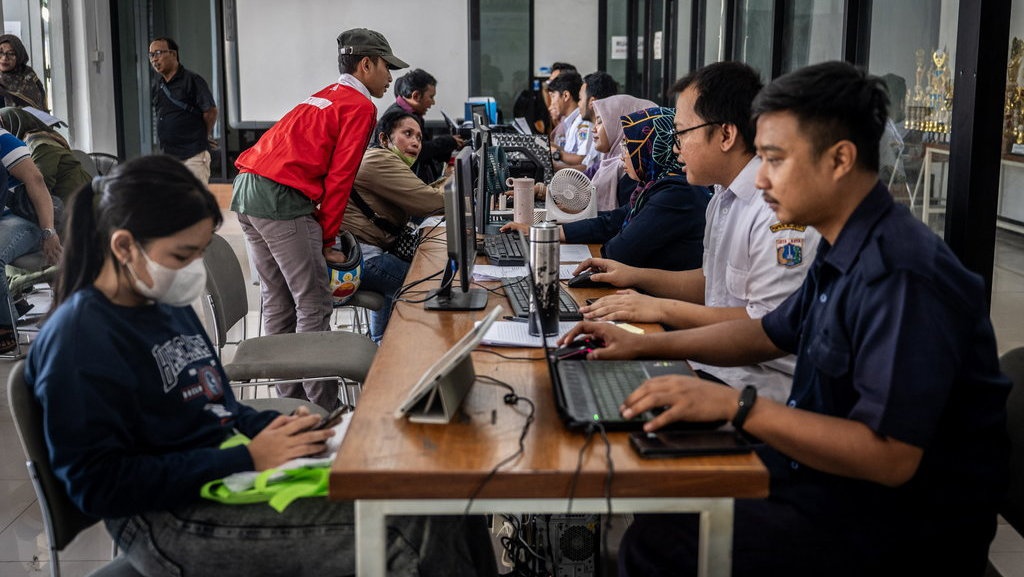
Just got your keys to a new apartment in Jakarta’s SCBD or a villa in Bali’s Seminyak? There’s one crucial step many people overlook: lapor diri with your local RT/RW. Ignore it, and you’re asking for administrative headaches later.
What Is Lapor Diri and Why Does It Matter?
Lapor diri means “self-reporting.” When you move to a new residence in Indonesia whether it’s a high-rise apartment or a traditional house you’re legally expected to report your presence to the RT (Rukun Tetangga) and RW (Rukun Warga), your neighborhood and community associations.
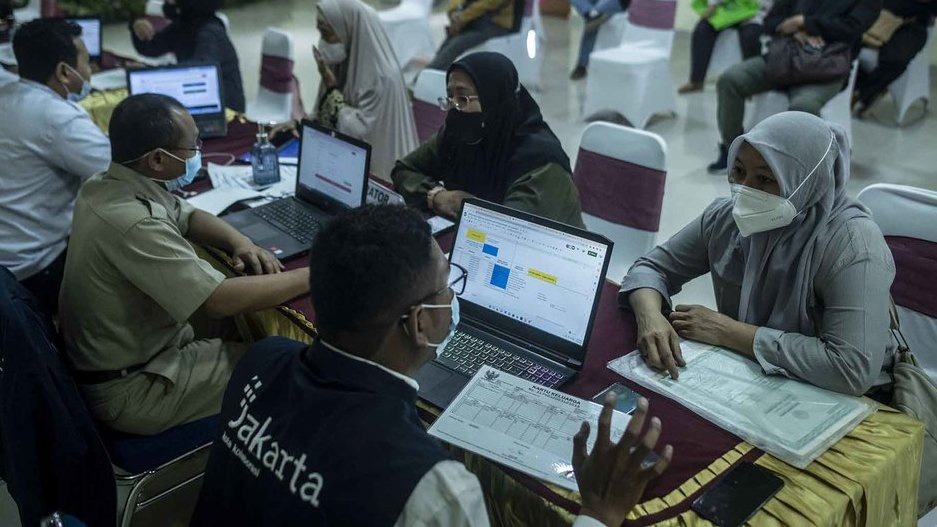
Think of it as introducing yourself to your local administrative system. These aren’t just social groups, they’re official government-recognized units that maintain resident records used by immigration, police, and banking institutions. Skipping this step can cause serious problems when you need KITAS renewal, SKTT processing, or banking services.
Who Needs to Do Lapor Diri?
You need to report if you’re:
- An Indonesian citizen moving to a new address
- A KITAS or KITAP holder (mandatory within 14 days)
- Renting long-term (30+ days)
- A property buyer occupying your new home
- Staying in a long-term Airbnb or monthly rental
You don’t need to report if: You’re staying in a hotel (they handle it) or visiting on a short-term tourist visa.
When Should You Report?
This is critical: report within 24-72 hours of moving in. Don’t wait weeks.
Why the rush? If you need KITAS or SKTT documentation later, having a late report raises questions about where you actually were during that gap. Establish your presence from day one.
Step-by-Step: How to Do Lapor Diri
Step 1: Contact Your Building Management or Landlord
In Jakarta apartments (SCBD, Sudirman, Thamrin), building management usually knows the process and can point you to your RT. For house rentals in Kemang or Bali villas, your landlord often introduces you to the RT head.
Step 2: Prepare Your Documents
For Indonesian citizens:
- Copy of KTP (ID card)
- Copy of Kartu Keluarga (Family Card)
- Rental agreement (if applicable)
For foreigners:
- Passport copy
- KITAS/KITAP copy (if you have one)
- Rental agreement or property deed
- Sponsor letter (if applicable)
- Passport-sized photos (4×6 cm, 1-2 copies)
Always bring copies, not originals. Keep your documents safe.
Step 3: Visit Your RT Head (Ketua RT)
Find your RT head, usually they live in the neighborhood, and your landlord can point you to them. Visit their home or small office, introduce yourself, and explain you’ve just moved in.
The RT head will:
- Record your details in the neighborhood registry
- Note your identity information
- Give you a receipt or informal letter confirming registration
Keep this receipt you’ll need for SKTT applications.
Step 4: Get Your Domicile Letter (Surat Domisili)
After RT registration, you may need a formal domicile letter from your village office (Kantor Kelurahan). This is essential for:
- SKTT applications (for foreigners)
- Banking
- School enrollment
- Business registration
- Tax purposes
Visit your village office with your RT receipt. They’ll issue a “Surat Keterangan Domisili” within 1-3 working days, usually for free or a small contribution (Rp 20,000-50,000, about $1-3).
Step 5: RW Endorsement (If Required)
In some Jakarta districts (Central Jakarta, South Jakarta), your RW (the community association above RT) needs to validate your documentation with a stamp and signature. In Bali and other areas, this might be optional or handled through the traditional village (desa/banjar) system instead.
Ask your RT head or kelurahan if RW endorsement is needed in your area.
Critical for Expats: KITAS and the 14-Day Rule
If you’re on a KITAS (Limited Stay Permit) or KITAP (Permanent Stay Permit), you must report to RT/RW within 14 days of receiving your permit. This isn’t optional, it’s legally mandated under Peraturan Mendagri No. 74/2022.
Why? Because within those 14 days, you must also apply for your SKTT (Surat Keterangan Tempat Tinggal), the domicile certificate required for all foreigners staying over 14 days.
The SKTT requires:
- Your KITAS/KITAP copy
- Your passport copy
- Police registration (STM – Surat Tanda Melapor)
- Domicile letter from RT/RW
- Your sponsor’s identification (if applicable)
Without proper RT/RW documentation, you cannot get SKTT. And without SKTT, you cannot renew your KITAS. It’s a chain reaction skip lapor diri, and everything else falls apart.
Jakarta vs. Bali: What’s Different?
Jakarta
Jakarta’s system is more formalized and strictly enforced. Apartment buildings in SCBD and Sudirman have systematic processes. RT heads often have set office hours. Immigration regularly cross-checks with RT/RW records during KITAS renewals.
The timeline is tighter here. If your RT records are missing, immigration will send you back to get them sorted before processing your renewal.
Bali
Bali operates through both administrative (Kelurahan) and traditional (Desa/Banjar) systems. In some areas, you report to RT/RW. In others, especially outside tourist areas, you report to the village head (Kepala Desa) or banjar system.
Enforcement is more relaxed, many residents don’t report immediately without consequences. However, when you need SKTT or official documents, Bali’s Dukcapil (Civil Registration Office) will still require proper documentation. Some Bali areas use “Surat Tanda Melapor” (STM) from police instead of RT letters.
For villa renters in Bali: Ask your landlord about the local system. Procedures vary between Seminyak, Ubud, and other areas.
What If You Don’t Report?
Possible consequences include:
- Immigration delays: KITAS renewal gets held up while you scramble to get RT/RW documentation
- SKTT rejection: Cannot obtain domicile certificate without proper neighborhood records
- Banking issues: Banks reject account applications without proof of residence
- Administrative fines: Rp 100,000-500,000 (roughly $6-30 USD) depending on local regulations
- Police complications: If stopped, you lack proper residence documentation
- Service access: Difficulty registering utilities, enrolling children in school
For expats: failing to report and get SKTT within 14 days of KITAS receipt technically violates regulations. While you won’t be immediately deported, it creates legal friction and immigration complications.
Cost of Lapor Diri
Good news: Lapor diri is officially free. The RT doesn’t charge for registration.
However, informal administrative contributions may be requested (Rp 20,000-100,000, or $1-6). These are technically voluntary but socially expected. Always ask for a receipt if you pay.
Your formal domicile letter from the Kelurahan? Still free or minimal cost (Rp 0-50,000).
How to Make It Painless
- Do it immediately. Don’t procrastinate, it takes 20 minutes.
- Bring your lease copy. It proves you have the right to be at that address.
- Be polite and respectful. Your RT head is usually a volunteer doing unpaid community work.
- Get written confirmation. Ask the RT for a dated, signed receipt.
- For expats: Mark your calendar and apply for SKTT within 14 days of KITAS receipt.
- Clarify RW requirements. Ask your RT if RW endorsement is needed in your area.
- In Bali: Confirm whether the traditional village system applies to your area.
Moving to Jakarta or Bali? Let’s Make It Seamless
Lapor diri might seem like bureaucratic busy work, but it’s the foundation for everything else in your Indonesian life like banking, permits, immigration, and services. It’s the difference between being recognized as a legitimate resident and facing administrative friction whenever you need official documentation.
Whether you’re settling into a Jakarta apartment or a Bali villa, whether you’re Indonesian or foreign, the rule is simple: report early, report properly, keep your documentation safe.
At Noble Asia, we support expats, professionals, and investors with:
- Full relocation support in Jakarta & Bali
- Home search in SCBD, Sudirman, Thamrin, Kemang, and premium compounds
- Villa advisory and management in Bali
- Domicile documentation coordination
- End-to-end settlement services
We ensure that small regulatory steps like lapor diri never become costly delays later.
If you’re planning your move or have just arrived, speak with our advisory team today.
📩 connect@nobleasia.id
📞 WhatsApp: +62 813 1668 5505
Because settling in properly means starting strong.