
For affluent individuals, investment decisions are rarely just about numbers. Behind every portfolio, there is usually a bigger life plan: where to live, how to protect family comfort, how to build security, and how to create a lifestyle that feels worth the effort.
That is why the Affluent Investor Snapshot 2025: A Quality of Life Special Report is relevant not only for banks and wealth managers, but also for the real estate and relocation industry.
The report surveyed 10,797 affluent investors across 12 markets, including 547 respondents from Indonesia. Affluent investors are defined as individuals with USD 100,000 to USD 2 million in investable assets, with survey fieldwork conducted in March 2025.
For NOBLE ASIA, the findings highlight something we often see through our work with expats, executives, families, and international investors: property decisions are becoming deeply connected to quality of life.
People are not only asking, “Is this a good investment?” They are also asking, “Can I see myself living here?” “Will my family feel settled?” “Is this location practical for work, school, and lifestyle?”
And for foreign investors looking at Jakarta or Bali, the question becomes even bigger: how do I make the right property decision in a market I may not fully understand yet?
Why This Report Matters Beyond Investment Portfolios
The report shows that affluent investors are becoming more intentional in how they manage wealth. They are investing more, diversifying across a wider range of asset classes, and using more instruments to build portfolios across short, medium, and long-term goals.
That matters for property because real estate often sits at the intersection of investment, security, and lifestyle.
A home in Jakarta may support an executive’s relocation. A serviced apartment in Sudirman may reduce the stress of moving into a new city. A family house in Pondok Indah may become the foundation for school access and community life. A villa in Bali may serve as a lifestyle asset, a long-stay option, or a managed property that requires local operational support.
In other words, property is not just a physical asset. It is part of how affluent individuals design their life.
Affluent investors are thinking about more than returns
The global report notes that cost of living, global affairs, and macroeconomic issues are top of mind for 8 out of 10 affluent investors. At the same time, global quality-of-life satisfaction rose to 76% in 2025, compared with 73% in 2024.
This creates an interesting pattern. Investors are cautious, but they are not standing still. They are still planning, diversifying, relocating, and looking for ways to make their lifestyle more resilient.
For real estate, that means buyers and renters are becoming more selective. They want properties that make sense financially, but also make life easier.
Quality of life is becoming part of wealth planning
Across generations, financial security remains important, but personal well-being is also a major focus. The report highlights savings for vacation or leisure, retirement preparation, wealth protection, and home ownership as recurring goals across different markets and generations.
This is where relocation and property decisions become more strategic. A better home location can reduce stress. A well-managed villa can protect lifestyle value. A family-friendly neighborhood can help children settle. A practical apartment near work can save hours every week.
Quality of life is not separate from investment planning. It is part of the bigger picture.
Key Investor Trends That Matter for Indonesia
Indonesia’s affluent investor profile is especially interesting.
The HSBC Indonesia snapshot shows that Indonesian affluent investors reported 84% quality-of-life satisfaction, above the global figure of 76%. Their top concerns are cost of living at 84% and economic uncertainty at 79%. Their top financial goals are savings for vacation or leisure, preparing for retirement, and gaining wealth for financial security.
HSBC Indonesia’s local release also describes this as a pattern of cautious optimism, with Indonesian affluent investors feeling positive about their goals while still placing strong emphasis on protection-oriented assets such as gold and cash.
Financial security remains a top priority
For Indonesian affluent investors, financial security is not only about accumulating more. It is also about protecting what they have built.
The report shows that Indonesian investors hold 19% of assets in cash, while gold became the top asset class allocation at 25%, after increasing significantly from the previous year.
This cautious mindset is relevant to property. Investors may still be interested in real estate, but they are more likely to ask sharper questions:
Is the location resilient?
Is tenant demand stable?
Is the property easy to manage?
Does the asset support lifestyle and long-term value?
Investors are becoming more intentional and diversified
Globally, the report shows that affluent investors reduced cash allocations and increased exposure to gold, alternatives, and real estate for investment. Real estate for investment rose by 3 percentage points globally compared to 2024.
This does not mean every property is automatically attractive. It means real estate remains part of the broader wealth conversation, especially when it supports diversification, lifestyle, and long-term use.
For Jakarta and Bali, this is important. Investors are not only looking for “a property.” They are looking for the right property structure, location, and management model.
Indonesia’s affluent investors show strong confidence
Indonesian affluent investors are also highly confident in achieving their financial goals. The HSBC report shows Indonesia at 87% confidence for short-term goals, 80% for medium-term goals, and 85% for long-term goals, compared with global figures of 81%, 72%, and 76%.
This confidence can support demand for better housing, lifestyle upgrades, and strategic property decisions, especially among executives, business owners, returning Indonesians, foreign professionals, and internationally mobile families.
What This Means for Real Estate in Jakarta and Bali
For NOBLE ASIA, one of the clearest takeaways is that property is becoming more connected to life planning.
A property decision may begin with investment, but it often expands into relocation, family comfort, management support, school access, neighborhood fit, and long-term lifestyle goals.
Property as part of lifestyle planning
A well-located apartment in Jakarta can support professional mobility. A landed house in South Jakarta can support family life. A villa in Bali can support lifestyle, wellness, or hospitality-led investment.
But each property type requires a different lens.
An apartment near SCBD may be evaluated based on commute, rentability, building management, and tenant appeal. A house in Pondok Indah may be evaluated based on school access, security, layout, and family suitability. A Bali villa may require deeper thinking around lease structure, zoning, management, staffing, maintenance, and rental operations.
Jakarta: business access, family living, and daily convenience
For expats and affluent professionals moving to Jakarta, location is often the first filter.
Central business districts such as Sudirman, SCBD, Thamrin, Kuningan, and Senopati remain attractive for executives who prioritize proximity to offices, embassies, restaurants, premium malls, and business networks.
For families, Kemang, Cipete, Cilandak, and Pondok Indah are often more relevant. These neighborhoods are associated with larger homes, international school access, family-friendly amenities, and established expat communities.
This is where relocation advisory matters. A beautiful house may still be the wrong choice if the commute is too difficult, the school run is unrealistic, or the family feels disconnected from the community.
Bali: lifestyle, wellness, and villa management considerations
Bali attracts a different type of affluent investor and foreign resident.
The interest may begin with lifestyle, but it quickly expands into questions about property use, villa management, lease structures, rental potential, maintenance, staffing, and guest experience.
Someone planning to stay several months each year needs a different strategy from someone planning to rent the villa commercially. A family looking for a private residence will evaluate access to schools, healthcare, and community differently from an investor focused on occupancy and guest services.
This is where local support becomes essential. A villa is not just an asset. It is an operation. Without proper management, a lifestyle asset can quickly become an everyday burden.
Relocation Is Becoming Part of Wealth and Life Strategy

Another important finding from the report is how affluent investors make decisions.
They collect information from many sources, especially social platforms and digital channels. But when it comes to guidance, 64% rely on wealth or financial specialists and bank relationship managers, while 8 out of 10 investors seek guidance from experts when making investment and wealth decisions.
The same behavior appears in relocation and property decisions.
People may research neighborhoods, rental prices, schools, traffic, visa requirements, or foreign property rules online. But when it is time to decide, they often need someone who can translate information into practical local context.
Moving countries is no longer only a corporate assignment
Relocation is no longer limited to employees sent abroad by companies. Today, people move for investment, lifestyle, education, retirement planning, entrepreneurship, family reasons, or hybrid work.
This changes the role of property search. It is no longer just “find a house.” It becomes:
Where should we live?
How will the children settle?
Can we maintain our lifestyle?
Can the property support work and family routines?
Who helps us manage the home when we are away?
Why expert guidance matters for affluent movers
The HSBC report also notes that affluent investors prefer advice that is tailored, proactive, timely, and available across multiple channels. Around 75% prefer advice that directly addresses their circumstances, while 70% prefer receiving advice without needing to request it first.
This fits the relocation journey perfectly.
Affluent movers do not need generic listings. They need guidance that understands their lifestyle, family structure, investment goals, location priorities, and risk tolerance.
Where Affluent Expats and Investors Look in Jakarta
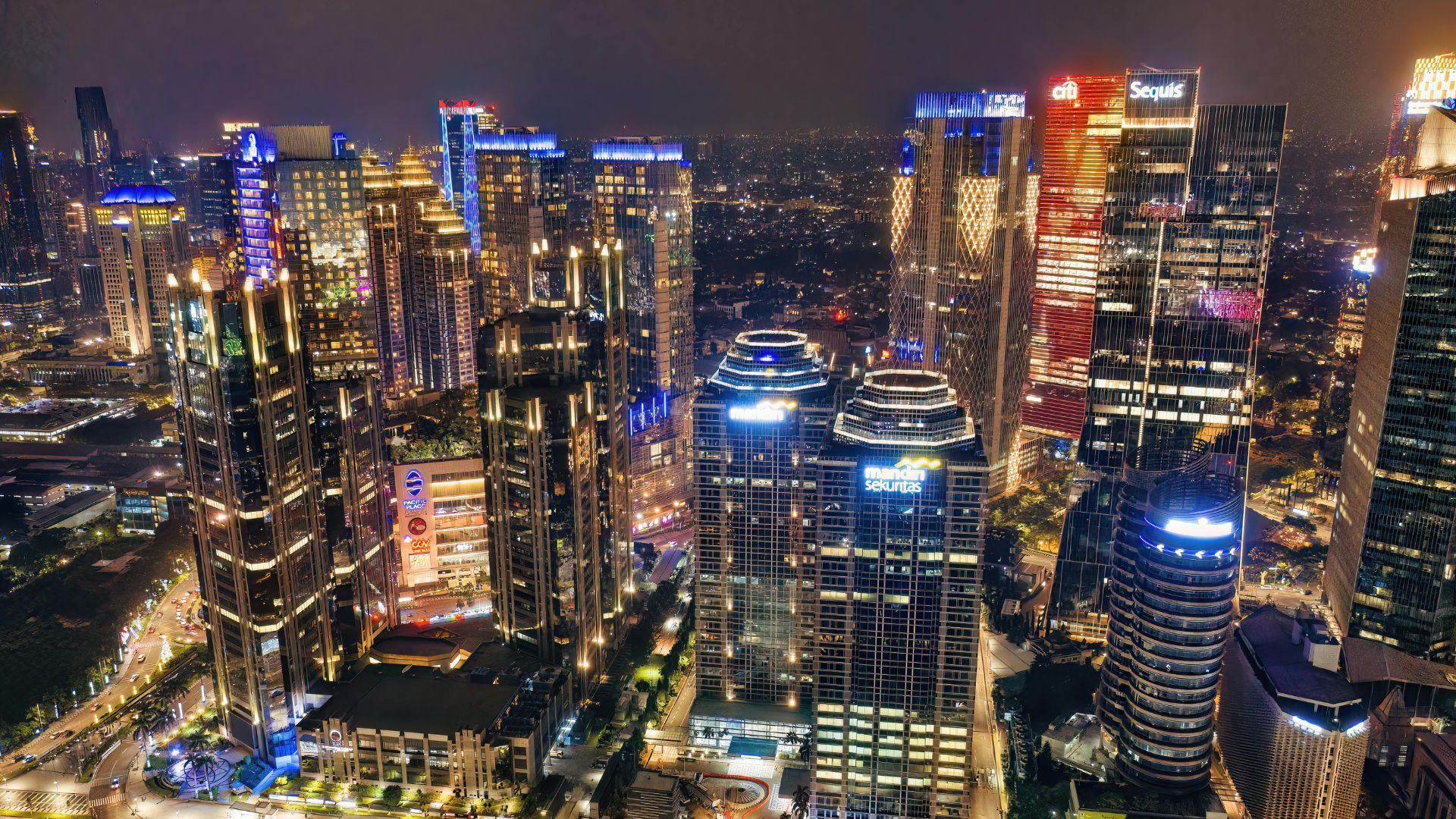
Jakarta offers different neighborhoods for different lifestyles. Choosing the right area is one of the most important decisions.
Sudirman, SCBD, and Thamrin
These areas suit executives, single professionals, couples, and corporate tenants who want to stay close to offices, premium malls, hotels, restaurants, and business networks.
Apartments in these areas often appeal to people who value commute efficiency and urban convenience.
Kemang, Cilandak, Cipete, and Pondok Indah
These South Jakarta neighborhoods are often more suitable for families. They offer larger homes, quieter residential streets, school access, gardens, and expat-friendly communities.
For families relocating to Jakarta, this area selection can strongly affect daily comfort.
Menteng and Central Jakarta
Menteng and Central Jakarta appeal to residents who value heritage, central access, embassies, government districts, and established neighborhoods.
These areas may suit diplomats, executives, and families who need access to both business and institutional districts.
Try our Quiz to Find Your Perfect Place in Indonesia!
Practical Property Questions Affluent Investors Should Ask
Before renting, buying, or investing in property in Indonesia, affluent clients should ask several practical questions.
Is the property for living, investment, or both?
A home for personal use should be evaluated based on comfort, location, security, and lifestyle.
An investment property should also be assessed for rental demand, management requirements, market positioning, ownership eligibility, and exit strategy.
Does the area support long-term lifestyle needs?
For Jakarta, this means commute, school access, traffic patterns, grocery options, healthcare, restaurants, and community.
For Bali, this may include road access, staff availability, maintenance, tourist demand, zoning, and guest management.
Who manages the property when you are away?
This is especially important for owners who travel frequently or live overseas. Maintenance, tenant handling, vendor coordination, inspections, and reporting should be planned from the beginning.
A property can be a strong asset, but only if it is managed properly.
How NOBLE ASIA Supports Affluent Investor for Property and Relocation Decisions
NOBLE ASIA helps clients connect the dots between property, relocation, lifestyle, and long-term planning.
The key is not simply finding a property. It is finding the right property for the right purpose, in the right location, with the right support system behind it.
Planning your next move or property decision in Indonesia? We can help you compare neighborhoods, find the right home, evaluate property options, and build a smoother relocation or property management plan.
📞 WhatsApp: +62 813 1668 5505
FAQ Affluent Investor Snapshot: Indonesia Property and Relocation Insights
What is the Affluent Investor Snapshot 2025?
The Affluent Investor Snapshot 2025 is a Quality of Life special report by HSBC that studies investment behavior, goals, and attitudes among affluent investors across 12 markets. The 2025 report surveyed 10,797 affluent investors, including 547 respondents in Indonesia.
Why is the report relevant to real estate in Indonesia?
The report shows that affluent investors are thinking beyond financial returns. They are also focused on quality of life, security, retirement, and personal well-being. These priorities are closely connected to property and relocation decisions.
What do affluent investors in Indonesia care about most?
According to the report, Indonesian affluent investors are highly concerned about cost of living and economic uncertainty. Their top goals include savings for vacation or leisure, preparing for retirement, and gaining wealth for financial security.
Is property still attractive for affluent investors?
Yes, property remains relevant, especially when it supports long-term lifestyle, family needs, or investment planning. Globally, real estate for investment increased by 3 percentage points compared with 2024.
Where do expats usually live in Jakarta?
Popular expat areas include Sudirman, SCBD, Thamrin, Kuningan, Senopati, Kemang, Cipete, Cilandak, Pondok Indah, and Menteng. The best area depends on work location, school access, family needs, and lifestyle preferences.
Is Jakarta better for business relocation or family relocation?
Jakarta can support both. Business professionals often prefer central areas such as Sudirman, SCBD, Thamrin, and Kuningan. Families often look at South Jakarta areas such as Kemang, Cilandak, Cipete, and Pondok Indah.
Is Bali a good option for affluent investors?
Bali can be attractive for lifestyle-driven investors, villa owners, and long-stay residents. However, buyers should carefully review legal structure, property use, maintenance, licensing, and villa management before proceeding.
Why do expats need relocation support in Indonesia?
Relocation support helps expats handle practical needs such as home search, school search, settling-in, utilities, internet setup, neighborhood orientation, and move-in coordination.
How can NOBLE ASIA help affluent investors and expats?
NOBLE ASIA supports property search, relocation services, settling-in assistance, property advisory, villa management coordination, and local guidance for expats and investors moving to or investing in Indonesia.